

Ten Tips for Improving Your Sleep–No Really

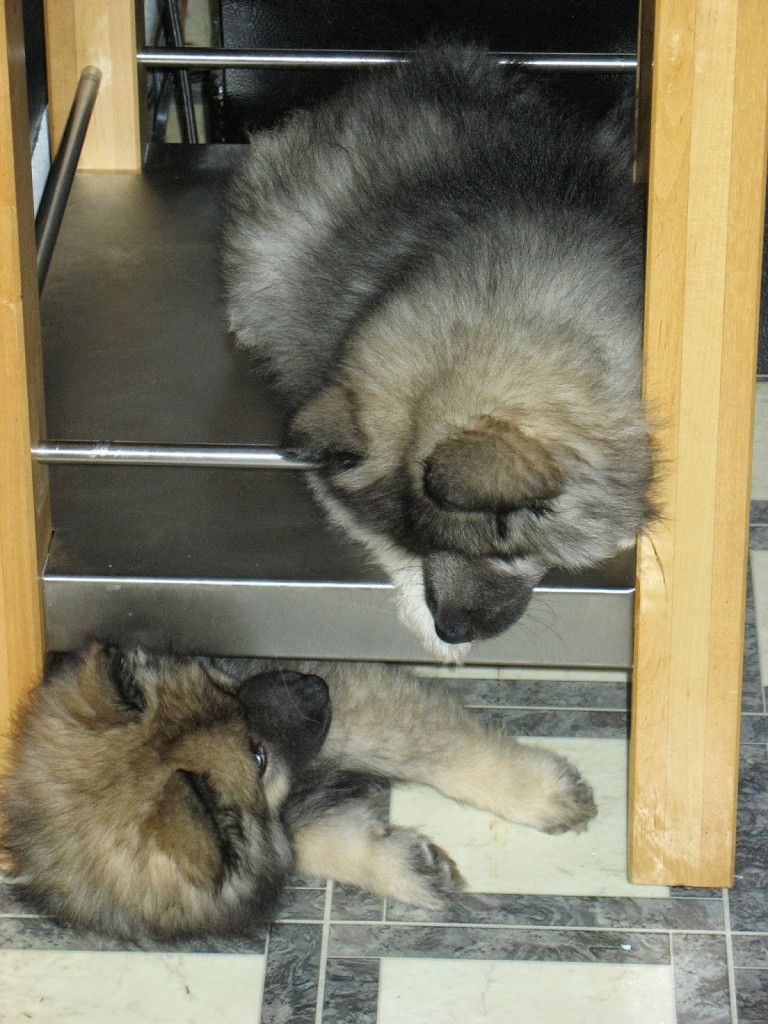
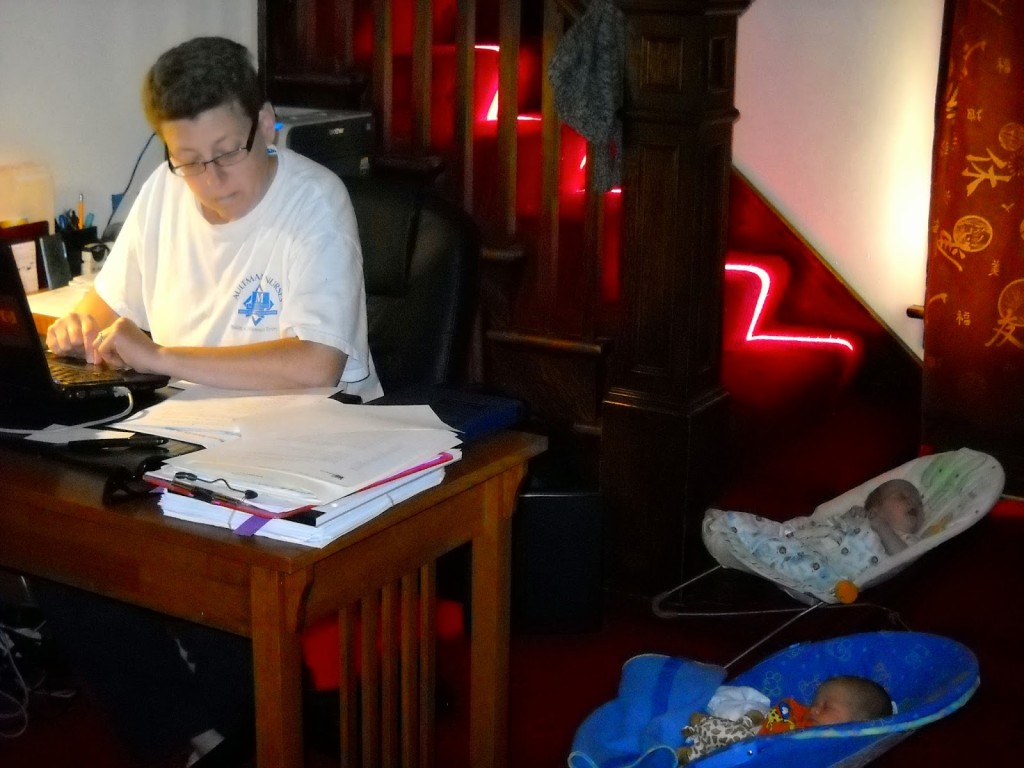
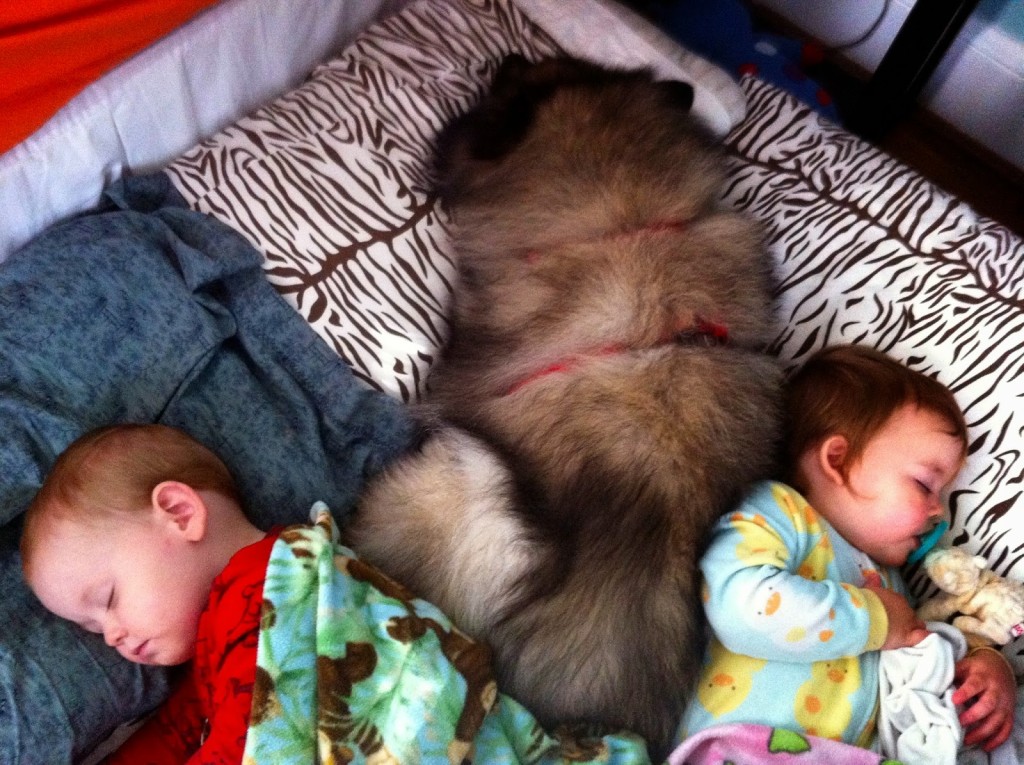
This is how I imagine most of us would like to sleep, tucked in, snuggled up, with no worries. For most of my life I have not slept well, which results in afternoon episodes like this

  and morning face that looks like this

until I have had my caffeinated beverage of choice.

I worked night-shift for years, figuring if I wasn’t sleeping I might as well make some money while I was awake.  As a day sleeper, I developed an unnatural hatred of leaf blowers, lawn mowers, and weed-whackers during that time. I still have periods of insomnia, that combined with my hyperactivity have resulted in re-upholstered chairs, stripped wall-paper, and thousands of written words (NANOWRIMO I am talking about you) in the middle of the night.

Sleep really does make a difference.  Some studies have suggested that going without sleep affects reaction times and judgement as much drinking alcohol or smoking marijuana. Even though marijuana is now being used to treat different sleep disorders and lack of sleep, medical marijuana (such as the quality of cannabis you’re able to find if you were to Read more about this online Canadian dispensary for example) has many medical properties that can be benefitted from, should it be consumed correctly under a medical professionals guidance. Lack of sleep has also been linked to weight gain, poor immune response and depression. Twenty-four hour access to the Internet, unlimited streaming movies and television are often blamed for sleep disorders.
As someone who had issues with sleeping well before the advent of cable television, WI-FI, and smart phones I don’t think that simply turning off your devices is the answer. Individuals with ADD/ADHD often have sleep issues related to hyper-focusing on a project, anxiety, hyperactivity, disorganization, and over-commitment,

The following is a list of things that I have complied that have helped me sleep better. I don’t address the sleep issues that come from raising children, because I don’t have  a clue how to address them. If you have any answers or suggestions, please share them!

I hope these suggestions help you to sleep better, and as always do the best you can.

  1. Create a routine before bed. It works for kids because it sends signals that it is time to wind down and go to sleep. A cup of tea or beverage of choice can help.
  2. Avoid screens about two hours before bed. Back lit screens stimulate your brain, and the soap opera that is Facebook and social media can keep you awake. Although cute pictures of babies and pets may make for happy dreams, trying to sleep after reading a political rant, a social outrage piece, or some terrible news before bed stimulates your brain in a negative way.
  3. Make your bedroom as dark as it can be, and make it a tech free zone. No computers, no TV, and if your cell/smart phone is your house phone locate it so that you have to get out of bed to get to it, do not put it on your bedside table.
  4. Prepare for the next day. Get your clothes out, make the lunches, make a list of what needs to be done. Empty your brain of all tasks that you know you need to do and haven’t done. This prevents the wake up at midnight, “Oh damn, I forgot I need to…” syndrome that keeps you from going back to sleep.
  5. Limit caffeine. I know this sounds simple but finding out how late you can drink a caffeinated beverage and still sleep is vital. I know if I have anything with caffeine after twelve noon, I will be wired until one or two in the morning. Find out your threshold and deploy caffeine strategically.
  6. Take a warm bath or shower before bed. It works for kids and it can work for you too. If you want to get fancy try some lavender bubble bath or soap.
  7. Exercise. You know you should. Remember taking a walk around the block, gardening, and playing with your kids counts.
  8. Check in with yourself. Do you have aches and pains that keep you awake? Do you need a new mattress or pillow?If your bed is not comfortable you will not sleep.
  9. Are your animals keeping you up? I sleep better if my dogs are with me but some people don’t. Don’t be afraid of establishing new rules about who sleeps where, remember you are the boss, even if the cat doesn’t think so.
  10. Take a minute before you fall asleep to think of good things in your life, even if it takes you more than a minute, it is time well spent.

Bonus tip: If you are re-upholstering chairs in the middle of the night while your partner is sleeping, don’t use the staple gun.

The World from the Ferris Wheel

   
We went to the County Fair this weekend.  My kids have gone every year since they were born. Last year was the first year they were tall enough to ride the kiddie rides. This year the first ride they wanted to ride was the Ferris Wheel. 
I asked my daughter what she could see when we got to the top. “The whole wide world, mama, the whole wide world.” I asked my son what he could see and he said “Everything but the moon.” 

My future farmers and visionaries. 

Fiona Zedde: Delicious Desire_ A Year of Women’s Voices

I met Fiona Zedde in 2011 when she came to speak at the College of Wooster. We hosted her in our home. She was lovely, engaging, and totally forgave my goofy dog for destroying an intimate article of her clothing. She gifted us a copy of Dangerous Pleasures (2011).

Being the voracious reader that I am, I finished it in a day, and just like one of her characters, I was hungry for more. More women secure in their sexuality, secure in their desires. Many understanding that they want a protective father as a partner, and more of Fiona’s luscious writing. Her word choice, and character development are exceptional. Her writing is sultry, seductive, and tantalizing. Fiona’s stories feature lead characters that are smart, introspective and passionate. Her novels achingly explore the intersections of love, hate and desire.

In addition to her contemporary novels and stories of lesbian love and desire, Ms. Zedde also has written two urban fantasy novels, Every Dark Desire (2007) and the sequel Desire at Dawn (2014). Her vampires do not sparkle, and would rip your throat out for even suggesting it.

Urban fantasy is one of my favorite genres. I devoured Every Dark Desire (2007) and had to wait, not so patiently for Desire at Dawn (2014). Be warned! Her writing is so engaging that I neglected to notice a bat flying around my house while absorbed in Broken in Soft Places (2013). If you start reading one of Ms. Zedde’s novels you may not stop, even for a bat!

My favorite Fiona Zedde books/stories:

Dangerous Pleasures (2011) Risk, longing, denial, death, surrender, and love. What more could you ask?
Every Dark Desire (2007) and Desire at Dawn ( 2014) Hot, sexy, lesbian vampires, no sparkling. Did I say hot?
Bliss (2005) Edgy sexual exploration that leads a woman to her true self. A coming out story that captures the initial confusion and ultimate delight of becoming who you are.
Nightshade( 2012) An assassin makes her way through this collection of stories, kicking ass and taking hearts.
When She Says Yes (2014) A collection of provocative short stories, perfect for (adult) bedtime.

As a writer this is what I have learned reading Fiona Zedde:

1. Word choice is key in provoking emotions and driving narrative.
2. Don’t back away from the hard scenes, show them, warts and all.
3. Character growth is story.
4. Complex relationships create a compelling read.
5. Present the reality that is racism, homophobia, and class conflict in your stories.
6. Make your characters, even the vile characters, live on the page.

Here is the link to Fiona’s website: http://fionazedde.weebly.com and a short biography:

Jamaican-born Fiona Zedde is the author of several novels, including the Lambda Literary Award finalists Bliss and Every Dark Desire. Her novel, Dangerous Pleasures, was winner of the About.com Readers’ Choice Award for Best Lesbian Novel or Memoir of 2012. Her new vampire novel, Desire at Dawn, is available now. 

Abandoned Places: The Mansfield Reformatory

Mansfield Reformatory 2014

Abandoned and historic places appeal to me as a story teller. I imagine what the place was like before it was abandoned. I imagine how the people lived. I think about their stories, ordinary and extraordinary.  Sometimes a small object creates a connection for me, and people as abstractions become real.
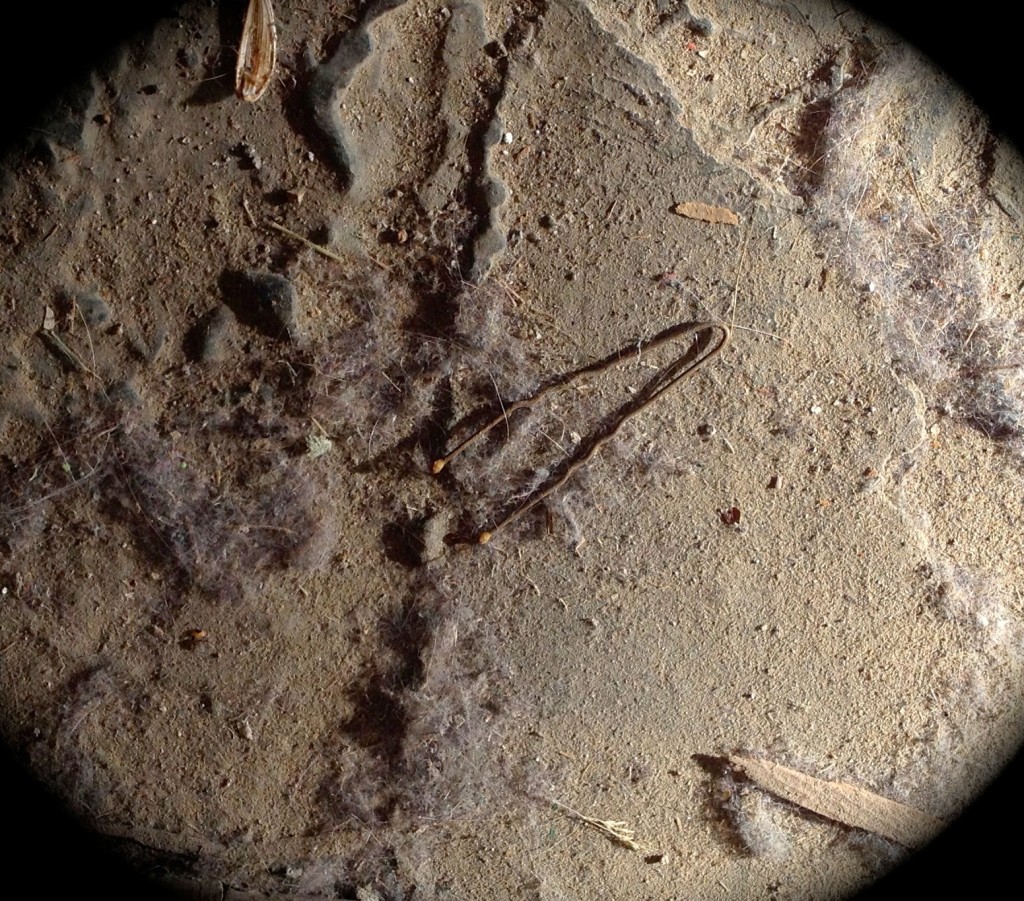
 I took this picture in the superintendent’s quarters while on a tour of the Ohio State Reformatory. Finding something so intimate in the midst of what has been stripped of the personal, like this rusty hairpin brought home to me the reality of people living inside an operating prison. Who did it belong too? Did it belong to a woman who lived here when it was an operating prison?
Was it lost as she hurried out to some event? Did she stop and look for it? Did it fall from the hair of a visitor, or a tourist?
I am still sorting out my feelings about the tour. I was fascinated, and horrified by what I saw. The prison opened in 1896. One hundred fifty-five thousand men, and boys as young as fifteen, passed through this hell on earth until it closed in 1990.
How many are still alive? How many wished they were dead while here? How many didn’t care? Did they deserve it? Guilty or innocent? So many stories waiting to be told.
Here are few more pictures I took.

This is 8′ x 5′.  It housed two prisoners.

The cells faced the windows.

The showers.

Six tiers of cells

If your are interested in visiting. The Mansfield Reformatory Preservation Society (http://www.mrps.org) manages the tours and is dedicated to preserving the reformatory.

5 Tips for Going Back to School Without Loosing Your Mind

School started this week for my kids. It is bittersweet. Woohoo! For 3 hours I don’t have to worry when it is too quiet, sort out squabbles, or pay attention to anything but my own work. Dang! Now we have to get up at the same time five days in a row, brush hair, pack lunches, and wear clothes other than bathing suits.

I am so happy to have my time back, but I have to acknowledge that keeping my kids organized when I struggle myself is daunting. Parenting with ADD/ADHD can be difficult. It is enough most mornings to get myself out the door, on time with everything I need.  When you add walking and feeding the dogs, and two little people that have to be reminded to get dressed, eat breakfast, brush their teeth and hair to the mix, and I am overwhelmed at times
After arriving at school, one more than one morning, with no one’s hair brushed, including mine, I decided I needed a checklist, and a schedule for the mornings. I created a routine and started preparing as much as I could the night before. As a parent, I really want to help my kids learn good habits for getting out of the house in the morning. These are my top five survival strategies for back to school.

1.  Use scrap paper and make a morning checklist. Tape to to your coffee pot, or tea cup. For a more permanent solution use a write on-wipe off, or chalk board. Hang it on door that you go out in the morning. Nothing is too trivial, create little check boxes for hair, teeth, clothes, lunches, backpack, and anything special you need to remember.

2. Layout your clothes the night before. Get the kids to lay out their clothes. This avoids the last minute “I can’t decide what to wear” moments that can really derail the morning schedule.

3. Schedule times for breakfast, showers, clothes on, teeth brushed, and out the door. Be flexible, and always allow more time that you think it will take. Set a timer to go off ten minutes before you have to leave, this allows time for everyone to make sure that they are ready to go. This really helps if everyone has to leave at the same time. If you have staggered schedules for your kids set the timer accordingly.

4. Set up a family calendar. Use it. Commit to looking at it before you go to bed, and in the morning, after a caffeinated beverage of your choice.

5. Give yourself enough time in the morning. Do not be unrealistic about how long it takes to get everyone ready, and out the door. I have dogs that have never slept past 6:30. I depend on them to wake us up, and I never set an alarm clock. If you lack furry alarm clocks, or if your dog/cat is unreliable, be sure to set an alarm. Get up when it goes off. Ban the snooze button, it is so not worth the stress of rushing around.

Breathe. Expect the first month of school to be chaos. Work with what you have, and make changes little by little.  Bonus Tip: Always make sure that you have a comb in your car in case you still forget to comb hair.

Alisse Waterston: Making Theory Accessible with Intimate Ethnography

This is my sixth post in my Year of Women’s Voices blog
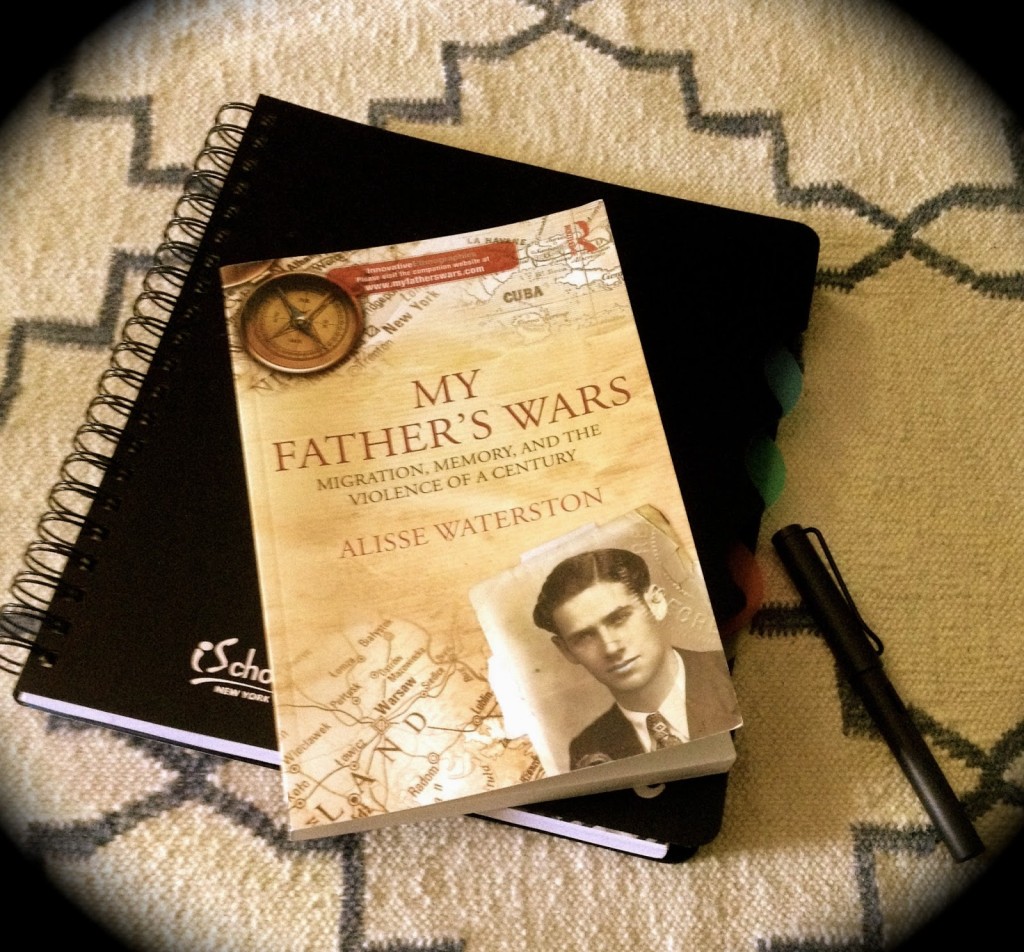
series, and features my review of Alisse Waterston’s ethnography My Father’s
Wars: Migration, Memory and the Violence of a Century 
(2014).  In this intimate ethnography of her father, Dr. Waterston
has written a frank portrayal of her father as a man, a survivor, a soldier, an
entrepreneur, husband, and father.  Her
writing honors her father without maudlin sentiment.  She frames her father’s lived experiences
with migration and violence, and uses his experiences to illustrate social
theory in a way that makes it accessible for non-academics.
Her writing is crisp, clear, and rich with detail. She
chooses a concise series of her father’s life events that create a reading
experience that is informative, and moving. The reading experience is enhanced by the companion website that
contains photographs, documents, audio files, and videos of her interviews with
her father as she worked on this ethnography. The book becomes a much more intimate experience through watching the
interactions between Dr. Waterston and her father, observing their body language, and listening to their voices.
 As a writer I appreciate Dr. Waterston’s explanation of her
struggles in her dual roles as daughter and ethnographer, and her process of
conducting research. I truly appreciated her discussion of the discipline it
took to not be distracted by the numerous ideas for other projects that called
to her during this project, especially when the experience of the project
became difficult.
If you are interested in ethnographic studies, social
theory, history, Judaic studies, anthropology, or if you are looking for an
extremely readable book that might help you understand how the experience of
violence shapes lives, this is the book I would hand you.
 What I have learned as a writer:
  1.    It is okay to include yourself in the story.
  2.    Stick with the project even when it is hard, or
    other projects beckon seductively from your research.
  3.   It is possible
    to portray unflattering behaviors in a way that is not overly sympathetic, nor  vindictive.
  4.  Multimedia
    can make a non-fiction project a richer experience, and allows the writer to
    include    research material that would be otherwise not be available.
  5.   Write the story that is hard to write, be
    fearless.
  6.    Don’t be trapped by conventions of disciplines
    or genre.
 I am grateful that
Dr. Waterston has created a work that is compelling, and readable on a subject
that is difficult to read about. When
confronted with violence, most of us want to turn away, to shield our eyes and our minds from horrific events. Dr. Waterston reminds us that even if we
want to look away, we must not, we need to understand.
For a biography and more information about Alisse Waterston and her other books, this is the link to My Father’s Wars website and this is the link to Dr. Waterston’s home page


Embrace Your Attention Issues: Terese Ramin Interview


The bar. Again.

I met Terese Ramin at my first writers’ conference. Chicago-North RWA Spring Fling 2012 to be exact. I was loitering at the bar waiting to register. I noticed Terese’s conference badge, and struck up a conversation. She was presenting at the conference. We spent
most of the evening laughing, talking, and getting to know each other over
fries and good beer.

Terese is gracious,
encouraging, and supportive. She is also has ADD/ADHD, and is a successful novelist, and editor. She very kindly agreed to do an interview for this blog.  I have enjoyed Terese’s books.   This is the link to Terese’s Amazon page.   Her biography follows the interview.

1. When were
you diagnosed with ADD/ADHD?

 Terese: **I
was officially diagnosed with ADD in 1996 when I took my son for diagnosis at
his high school’s request. I took the test with him to be supportive.
2.
Was there a specific event that caused you to seek a diagnosis?
Terese:**My
son’s high school requested that he be tested (and put on medication).
3.
Do you think having a diagnosis helped?
Terese: **Yes,
it helped *me* realize what had always held me back / been “wrong” with me, and
why there were “bad conduct” marks on my school records. Girls didn’t have
ADD/ADHD when I was in grade school.
4.
Have you faced any discrimination because of your diagnosis?
Terese: **No.
As an adult, the only people who know about my ADD/ADHD are those I choose to
tell. And since being ADD/ADHD affects my entire life, I let people know. My
son, on the other hand, didn’t want people to know, didn’t want to take meds,
etc., because it would have labeled him in high school as “one of those kids”
who got called out of class to take a prescription medication. We worked with
his ADD/ADHD in other ways and, boy, am I glad! He’s very successful as a
teacher now.
5.
How did you organize/ focus yourself to write books?
Terese: **When
was first diagnosed, I saw a therapist who gave me suggestions to help keep me
focused – creating a CD that looped with the question “Are you on task?” played
at 5 and 10 minutes  intervals.
I
also used a CD called High Focus that essentially
plays white noise. It was highly effective, especially played softly. I also
used guided meditation and a couple of “In the Zone” CDs that are used to help
athletes maintain focus while they work out.
6.
What is the biggest challenge for you when writing a novel?
Terese: **Oh
man. <G> For writing a novel, I need to get to the place in the book
where I can go into hyper-focus. Hyper-focus is something I’m good at – as long
as I’m being stimulated by what I do, or as long as what I’m doing is a
relatively simple, repetitive task (I’m a great editor due to hyper-focus, and
I’m pretty good at detail work – as long my brain doesn’t decide the details
are boring.) Boredom is my biggest problem.
Another
thing that works is for me to be able to get up and wander around doing simple,
non-thinking tasks as I write – taking care of the laundry, loading the
dishwasher, dusting, etc. Those are things I hate to do, but when I do them
during the process of working on a novel, I don’t have to come out of the
“zone” or the story to do them. Doing
simple tasks allows me to daydream the next line, paragraph, or scene, and
return to the computer able to write a few more pages.
7.
Are you an Outliner or Pantser?
Terese: **HA!
I wish I could outline a novel or create a beat sheet, then just fill in the
blanks on the pages. The moment I start to do that, my brain screams “lunch!”
and refuses to budge – it’s that boredom thing or the restless ADHD thing
kicking in: an outline causes me to tell the story to myself, which means I’ve
already written it, which means “bored now” when it comes to trying to write
all 70-85,000 words.
To
counter this, I give myself a blurb to remind myself where I need to get to
from here, post that on the wall where I can see it, and slowly make my way
toward the end goal: a completed novel.
8.
How do you handle the distraction of the internet?
Terese: **Badly.
I have a routine of getting up in the morning, handling my email, reading the
online news, doing a little Facebook / Twitter / social media to keep my name
out there, but that means I also use up my best creative time. I might be
finished with all of those internet things by 8 a.m., but then the dogs need
attention, there are dirty dishes that need attention, the laundry needs to go
into the dryer, etc. It would be far better for me to revise that routine and
start with writing, but it takes a long time for me to create a routine that
works for me. It’s much easier to fall back on the routine I have. The bottom
line is that I’m much much more productive
if I follow a daily routine, but creating the right routine takes thought and discipline that I sometimes don’t
have.
9.
Do you think that it would have been helpful to be diagnosed at an earlier age?
Terese:**Possibly,
in today’s climate, yes. Back when I was growing up? Maybe – at least then my
parents and teachers would have understood the reason for why I was the way I
was. But being diagnosed earlier – especially back in a time when using
ADD/ADHD medication properly was still pretty new – might also have meant being
medicated, which brings up a whole new world of issues.
10.
What advice would you give writers struggling with attention issues?
Terese: **Embrace
your attention issues. I look at my son who’s always done seven or eight things
at the same time – and that worked for him. When he was in school, if he wasn’t
listening to at least one sporting event, playing the guitar (or the bassoon,
or something), reading a book, talking on the phone, trolling the internet AND
doing his homework, I knew he wasn’t getting his schoolwork done. He’s never
needed to be medicated and I’m proud of the man he’s become.
But
I also look at the way he innately handled his ADD/ADHD and I realize that my
own process of staying in the zone by doing housework while I’m writing is much
the same thing. I just need to “stay on task” get back to that routine.
 I hope that reading Terese’s interview inspires you to start writing if you haven’t and to keep going if you have stopped.
Biography:
Terese Ramin is the award winning
author of eleven novels and numerous short stories. Her autobiographical essay,
“Two-Puppy Theory”, is included in the anthology The Sound and the Furry, sales of which benefit the International
Fund for Animal Welfare. The Cured,
her most recent release with author David Wind, is her first suspense-thriller.
Her next release will be an urban paranormal romance with writing partner Dawn
Johanson.
Aside from writing, Terese works
as an editor, ghost writer, book doctor, and a paranormal investigator. She
lives in Michigan with her husband and a bunch of rescued dogs.

You talkin’ to me?! Anger Management and ADHD/ADD

I know you’re not talkin to me…

 Anger, that red hot feeling of pure rage and adrenalin surge that obliterates any rational thought. Most people when they get angry are able, most of the time, to control their impulses and step back.  For people with ADD/ADHD the trip from slightly annoyed to explosive outburst is short. The consequences of uncontrolled outbursts range from strained family relationships to jail time.

 In my own life anger management ranks as high as impulse control on my list of things that complicate my life.  I am still learning to control my anger, and learning to respond in a reasoned and controlled way.  It helps that I am trying to model good behavior for my kids. I love their reminders to “use my words” and “inside voice, mom”. If nothing else it breaks the tension and sometimes it is all I need to get back to normal.

Writing helps too. When I am angry it helps to write it down. Writing forces me to identify just what is pissing me off so much. Writing also forces me to slow down and think. Writing has saved me from myself more times than I care to think about. Here are my tips for anger management.

1. Identify your triggers. Avoid them. This will be more difficult if your triggers are human, and related to you. In that case, try and limit your interactions. If you find yourself triggered by co-workers, supervisors, or your work place, you might want to consider finding a new job. Seriously, your mental health is worth it.

2. Understand that frustration is the most common emotion that leads to anger. Identify what frustrates you, and fix it. Angry because you can’t find your keys, and you are running late for work? Make a plan the night before, keep your keys in the same place. Do what you need to do to make your life less frustrating.

3. Eat. Pay attention to your diet. Make sure that you eat in a way that maintains an steady blood sugar. As much fun as it is to eat a box of doughnuts and wash it down with coffee, be aware that low blood sugar after the binge can precipitate angry emotions. We have all been so hungry that we were angry about everything. Eat.

4. Get enough sleep. Stop laughing. Do the best you can. It really does make a difference.

5. Write it down. Make a list of everything making you angry. Identify what you can change, avoid or let go of. Get it out of your head and on paper. Sometimes when I am done, I just rip the paper to shreds, and toss it out. Find your own ritual to let go of your anger. If your are a fiction writer use your emotions to craft scenes of ultimate destruction, and revenge.

6. Take a walk. Go for a run. Put on loud, angry music and dance. Get the physical feelings out safely. Do not use this as an opportunity to intimidate others with your behavior.

7. Get help. If you find that your outbursts are causing problems in your life, find a mental health care professional to talk to. Some employers have employee assistance programs that provide free anger management counseling, and classes. Many hospitals offer anger and stress management programs. Take advantage of free and low cost programs in your area.

Anger management is possible. It is also our responsibility. Step back, take a breath, count to ten. Do what it takes to get your anger under control. Do it for yourself. Do it for your relationships.

Writer’s block? I don’t have time for that.

Age: One Day
This is how old my kids were when I started writing my thesis.
This is how old they were when I finished.
At the celebration lunch.

You did it Mom!

One year.  Did I mention that we moved out of state, and went on a trip that lasted a month? It was crazy hard, and sometimes I don’t know how I did it.

I do know that I created some rituals and routines to keep my words flowing. I had a deadline. I could not wait until I felt like writing, or was inspired. Writer’s block was just not an option.
I found that creating small rituals helped me focus when I did have time to write. When I talk about rituals, I am talking about little things that reminded me that I was at the keyboard for a reason. Here are some tips to help you stay on track and keep your writing project going.

1. Use every second. Work when you can. Even if it is only for thirty minutes, it will add up.

Yep, I worked every time they napped.

2. Always take five minutes at the end of your work session to make a note to yourself about what you need to write, or accomplish the next time you work. This saves time when get back to writing, and keeps the project moving forward.

3. Keep your project materials together. Searching for materials wastes time, and distracts you from writing.

4. Find a way to organize your notes and materials that works for you. Once you find a way, stick with it until the end of the project. If you are tempted to stop work to reorganize, resist. Reorganizing is a huge waste of time. If you want to try a different method, save it for the next project.

5. Write, even when you don’t feel like writing, when you want to quit, when you are sick and tired, and would rather do anything else. Keep going.

6. Ask for help when you need it. I had a babysitter once a week for six hours. I did not go to the grocery store, do laundry, sleep or any of the hundred other things that needed to be done. Guard your work time.

7. If you work with music on, create a playlist that you use for all your work sessions for your project. Music can help shift your mood, and stimulate your writing. My playlist was called “Write the MotherF*$^er”.  I still use it.

8.  Make yourself accountable to someone. If you are in school, this would be your advisor. If you are working on your own, find a critique group or writing partner.

9. Do not point a baby you just fed at your research notebook. This is a bonus tip. I was cleaning out my project files last week  and I found my thesis research notebook. It still smells faintly of baby vomit.

10. Believe. Believe in your project. Believe in your ability.

I believe in you. Get to work.

Maps are for Kids

I love this picture of my kids at the zoo. They love looking at the map, pointing out all the things they want to see. They avoid the pre-marked routes, and trace with their fingers the shortest way to their favorite animals. They understand that just because someone else has marked a trail you, don’t have to follow it.
 In life trying to force yourself to follow someone else’s route to where you want to go is like trying to cram your foot in a shoe that is too small.  Embrace the difficulty, and joy of finding your own way. Draw your own route.